
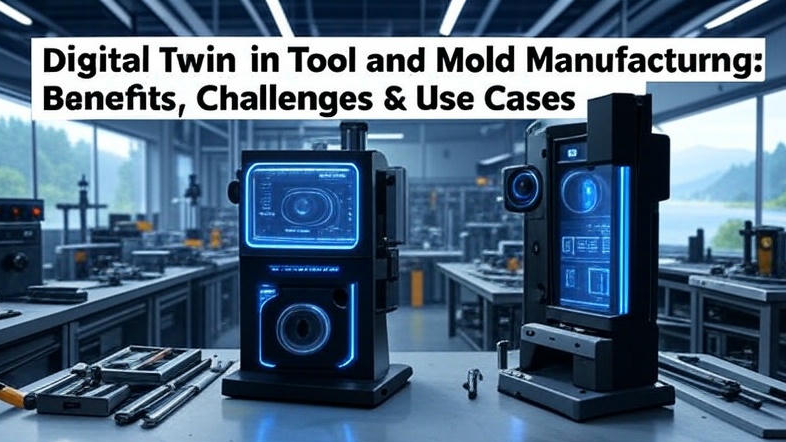
The world of tool and mold manufacturing is no stranger to innovation, but a new player is stepping into the spotlight: digital twins. This cutting-edge technology, which creates virtual replicas of physical objects, is transforming how manufacturers design, test, and optimize their processes. From speeding up production to cutting costs, digital twins are proving to be a game-changer. But like any revolution, they come with their own set of hurdles. Let’s dive into the benefits, challenges, and real-world use cases that are shaping the future of this industry.
Why Digital Twins Matter in Manufacturing
Imagine having a perfect digital copy of a mold or tool that mirrors every detail of its physical counterpart – down to the tiniest imperfection. That’s the power of a digital twin. By syncing this virtual model with real-time data from sensors and machines, manufacturers can simulate performance, predict issues, and refine designs without ever touching the actual product. In an industry where precision is non-negotiable, this technology offers a fresh way to stay ahead of the curve while meeting the demands of a fast-paced market.
The Bright Side: Key Benefits
1. Enhanced Design Precision
Digital twins allow engineers to test and tweak designs in a virtual environment before production begins. This means catching flaws- like uneven cooling channels or weak structural points – early on, saving time and materials. A recent project saw a 30% reduction in design errors by simulating mold stress under various conditions, proving how digital twins can refine the craft.
2. Real-Time Performance Monitoring
With sensors feeding live data into the digital twin, manufacturers can track how tools and molds perform during operation. This real-time insight helps spot wear and tear or overheating before they cause costly breakdowns. One factory reported a 25% drop in unplanned downtime after integrating this technology into their workflow.
3. Cost and Time Savings
By predicting maintenance needs and optimizing production cycles, digital twins cut down on wasted resources. Virtual testing eliminates the need for multiple physical prototypes, slashing both material costs and lead times. A mid-sized toolmaker shaved off two weeks from their production schedule after adopting this approach.
4. Sustainability Boost
Less waste and fewer physical trials translate to a greener process. Digital twins help manufacturers use resources more efficiently, aligning with the growing push for sustainable practices. One company even reduced its carbon footprint by 15% by fine-tuning energy use through virtual simulations.
The Roadblocks: Challenges to Overcome
1. High Initial Investment
Building a digital twin requires sophisticated software, hardware, and skilled personnel, which can be a steep upfront cost. Small manufacturers might find it tough to justify the expense, especially without immediate returns.
2. Data Management Complexity
Digital twins rely on a constant stream of data, and managing this flood can be overwhelming. Inaccurate or incomplete data can lead to unreliable models, undermining the technology’s benefits. Integrating legacy systems with new tech adds another layer of difficulty.
3. Skill Gap
Not every team is ready to handle digital twin technology. It demands expertise in data analysis, software development, and manufacturing processes- skills that may require significant training or new hires.
4. Security Concerns
With so much data flowing between physical and virtual worlds, cybersecurity risks loom large. A breach could expose sensitive designs or disrupt production, making robust protection a must.
Real-World Applications: Use Cases in Action
1. Optimizing Mold Cooling
A leading automotive supplier used digital twins to simulate cooling patterns in injection molds. By adjusting the design virtually, they reduced cycle times by 20% and improved part quality, all without a single physical tweak.
2. Predictive Maintenance for Tools
A tool manufacturer in Germany equipped their machines with sensors linked to digital twins. This setup predicted tool wear with 90% accuracy, scheduling maintenance before failures occurred and keeping production lines humming.
3. Prototyping New Designs
A startup in the consumer goods sector leveraged digital twins to test mold designs for a new product line. They ran hundreds of virtual iterations, cutting prototype costs by 40% and bringing their product to market faster.
4. Quality Control in Mass Production
An electronics firm used digital twins to monitor mold performance across thousands of units. The virtual models flagged deviations in real time, ensuring consistent quality and reducing scrap rates by 15%.
The Future of Digital Twins in Manufacturing
Looking ahead, the potential of digital twins is boundless. Advances in AI could make these models smarter, predicting trends and suggesting improvements autonomously. Integration with IoT devices will deepen real-time insights, while cloud-based platforms might lower costs for smaller players. As the technology matures, we might see digital twins become as essential as blueprints in every manufacturing shop.
Why It’s Worth the Effort
Digital twins aren’t just a tech trend- they’re a strategic tool. They empower manufacturers to innovate faster, reduce waste, and stay competitive in a crowded market. For workers, they mean safer conditions and less downtime, while customers benefit from higher-quality products. The challenges are real, but the rewards are reshaping the industry.
Final Thoughts: A New Era of Precision
Digital twins are ushering in a new era for tool and mold manufacturing, blending the physical and virtual to create something extraordinary. From optimizing designs to predicting maintenance, their impact is already tangible. As the technology evolves, overcoming the initial hurdles will unlock even greater possibilities, paving the way for a more efficient and sustainable future.
What do you think about digital twins in manufacturing? Have you seen them in action, or are you curious to try them out? Share your thoughts below – we’d love to hear your perspective!
Related Posts
Top 10 Best Laser Marking Machine Manufacturers in the World (2026)
In modern industrial manufacturing, laser marking machines have become a…
How Fiber Laser Cutting is Revolutionising the Sheet Metal Industry
Introduction Sheet metal fabrication has always been the engine room…
Laser Marking Machine for Rotary and Name Plates in Construction Fabrication
A Supporting Blog — Laser Cutting and Marking Machines for…